

Why Summer Tyre Checks Matter More Than You Think: Avoiding Trouble on the A30 and A380
Hot weather and heavily loaded cars are a combination that puts more stress on tyres than most drivers realise — checking pressure and tread depth before a long summer drive takes five minutes and meaningfully reduces the risk of a blowout. Roads like the A30 and A380 see some of the heaviest holiday traffic in Devon over the summer months, often with cars carrying far more weight than usual.

Why heat is harder on tyres than people assume
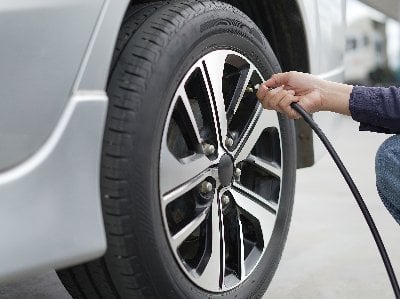
Tyre pressure rises naturally as temperature increases, and a tyre that was fine in spring can end up overinflated on a hot August afternoon — or underinflated if it wasn't checked recently and has been slowly losing air. Either way, the tyre isn't running at its intended pressure, which affects grip, braking distance, and how evenly the tyre wears.
Heat also accelerates the natural ageing of rubber. A tyre with plenty of tread can still have hardened, cracked rubber underneath from age and sun exposure, particularly if a car has spent a lot of time parked outside.
Why a loaded car changes things
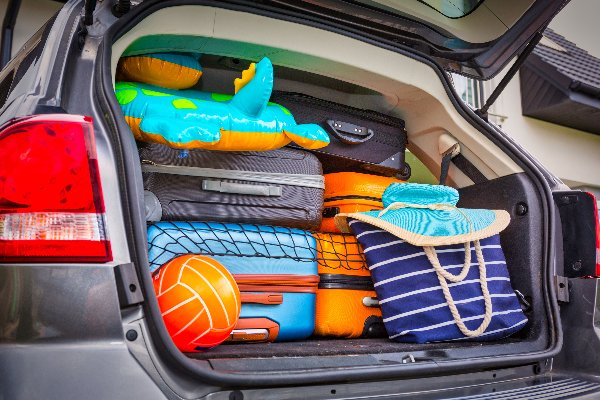
A car packed for a family holiday — roof box, luggage, bikes, passengers — weighs considerably more than it does on a normal commute. Most manufacturers publish a separate "fully loaded" tyre pressure figure for exactly this reason, usually found in the handbook or on the door sill sticker. Running everyday pressures with a fully loaded car means the tyres are working harder than they're set up for.
What to check before a long summer drive
Tread depth
Legal minimum is 1.6mm across the central three-quarters of the tyre, but we'd recommend replacing before it gets that low
Pressure
Checked cold, and adjusted to the loaded-vehicle figure if you're carrying extra weight
Visible damage
Bulges, cracks, or embedded debris, particularly on tyres that don't get used often
Spare tyre or repair kit
Easy to forget, but worth checking it's in working order before you need it on the hard shoulder

Why this matters specifically on routes like the A30 and A380
Summer traffic on these routes is often slow-moving and stop-start during peak getaway weekends, which generates more heat in tyres than steady motorway cruising. Combined with the extra weight most holiday cars are carrying, this is exactly the kind of driving that exposes a tyre that was already borderline.
Get a check before you travel
Howards' service centres across Somerset, Dorset and Devon offer tyre checks — it's a five-minute job that's worth doing before any long summer trip, and definitely before a fully loaded drive down to the coast.
Frequently asked questions
Should I check tyre pressure when the tyres are warm or cold?
Always check when cold, ideally before you've driven more than a couple of miles — pressure readings rise once tyres have warmed up from driving, giving a falsely high reading.
What's the "loaded" tyre pressure, and where do I find it?
It's the recommended pressure for a fully loaded car, usually listed separately from the standard figure in your handbook or on the door sill sticker.
How do I know if my tyres are too old, even if the tread looks fine?
Look for cracking in the sidewall rubber, particularly on cars that spend a lot of time parked in direct sun. If you're unsure, ask a technician to check — tyre age can be read from the date code on the sidewall.
Where can I get a tyre check before a long drive?
At any Howards site in Weston-super-Mare, Taunton, Yeovil, Dorchester or Barnstaple.

Fill in your details below and a member of our team will be in touch

By providing your details you consent to us being able to contact you using the methods given above. Read more.
Fill in your details below and a member of our team will be in touch
By providing your details you consent to us being able to contact you using the methods given above. Read more.
Fill in your details below and a member of our team will be in touch
By providing your details you consent to us being able to contact you using the methods given above. Read more.
Please leave your details and we will call you back as soon as possible to confirm your appointment slot.
Let us know how you would like to receive your virtual appointment in the comments. Eg Zoom, Skype, Whatsapp.
By providing your details you consent to us being able to contact you using the methods given above. Read more.
Fill in your details below and a member of our team will be in touch
By providing your details you consent to us being able to contact you using the methods given above. Read more.