

Is It Worth Buying a Used Electric Car?
Is It Worth Buying a Used Electric Car?
Yes, buying a used electric car is highly worth it, offering massive depreciation savings compared to buying new, alongside significantly lower running costs. Modern EV batteries degrade much slower than initially predicted, typically retaining 80% to 90% of their original capacity even after 100,000 miles. When purchasing a pre-owned electric vehicle, buyers must verify the State of Health (SoH) of the battery pack, confirm the inclusion of correct charging cables, and check the remaining manufacturer battery warranty, which usually spans 8 years or 100,000 miles.
The Truth About EV Battery Degradation
The single largest concern among pre-owned electric vehicle buyers is battery longevity. Misconceptions drawn from consumer electronics lead many to assume that an EV battery will become unusable after a few years of service. In practice, automotive battery packs are highly sophisticated engineering systems designed to outlast the operational lifespan of the vehicle chassis itself.
The Microchemistry of State of Health (SoH)
An electric vehicle battery pack is composed of hundreds of individual lithium-ion cells wired together into modules, managed continuously by a computer known as the Battery Management System (BMS). The commercial capability of the battery is expressed via its State of Health (SoH) percentage. A brand new car leaves the factory with a 100% SoH. Over time, chemical degradation occurs due to charge cycles, operating temperatures, and calendar aging.
Data from thousands of real-world vehicles shows that modern EV batteries degrade at an average rate of just 1% to 2% per year. This means that a five-year-old electric vehicle will typically still retain between 90% and 93% of its original factory battery capacity. This degradation is non-linear; the sharpest drop occurs within the first year of operation, after which the capacity stabilization curve flattens significantly for the remainder of the pack's life.
Active Liquid Cooling vs. Passive Air Cooling
When browsing the used market, it is vital to distinguish between different battery thermal management designs. Early electric cars, most notably the first-generation Nissan LEAF, relied on passive air cooling. When these vehicles were driven at sustained highway speeds or plugged into rapid chargers repeatedly in succession, the battery pack lacked an effective method to shed heat. High internal temperatures accelerate chemical degradation.
Modern electric vehicles, such as the Kia e-Niro, Hyundai KONA Electric, Peugeot e-208, and Vauxhall Corsa Electric utilise active liquid cooling systems. A mixture of water and glycol is pumped through internal cooling plates sandwiched between the battery modules, regulating the core temperature within an optimal window (15°C to 35°C). When evaluating a pre-owned EV, vehicles equipped with active liquid cooling offer much better long-term battery health security.
The Used EV Buying Checklist
Inspecting a pre-owned electric vehicle requires a different set of priorities than evaluating a traditional petrol or diesel car. Because there are no oil dipsticks, spark plugs, or exhaust systems to check, your focus must shift toward electrical provenance and thermal system integrity.
1. Mandating a Battery Diagnostics Report
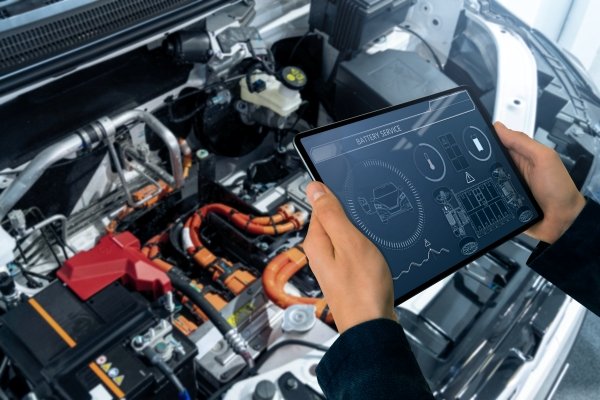
Never purchase a pre-owned EV without a verified battery diagnostic read-out. Specialized service centres connect diagnostic equipment directly to the vehicle's OBD-II port to pull the precise SoH data stored within the BMS. This report will provide a clear percentage figure. If a dealer cannot or will not provide a certified SoH readout, look elsewhere. At Howards, every electric vehicle undergoes a comprehensive electrical health check prior to listing.
2. Auditing Charging Cable Accoutrements
Replacing missing charging cables is an unexpected and expensive cost. Ensure the vehicle comes with its complete factory cable kit:
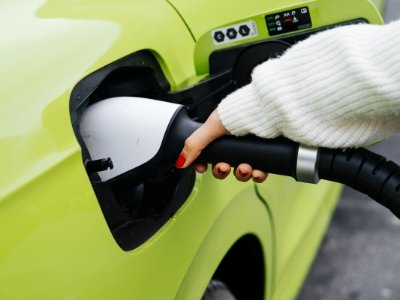
- Type 2 to Type 2 Cable: This is the standard heavy-duty cable required to connect the vehicle to public AC destination chargers and residential wallboxes. A replacement cable costs upwards of £150 to £250.
- 3-Pin Domestic Charger ("Granny Cable"): This cable features a standard UK domestic 3-pin plug on one end and a Type 2 connector on the other, allowing you to charge the vehicle slowly from any standard wall socket. Replacements are highly expensive, often exceeding £300.
3. Inspecting the Charging Port and Locking Pins
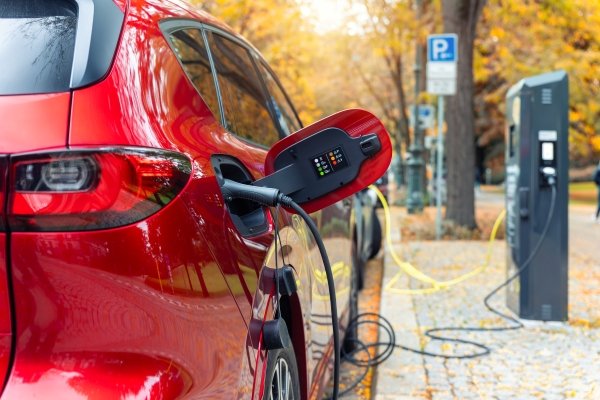
Open the charging flap and inspect the port closely using a torch. Look for any plastic fractures around the housing or bent, corroded copper pins inside the socket. Plug a charging cable into the port to confirm that the mechanical locking pin engages smoothly. When an EV begins charging, an internal actuator locks the cable in place to prevent theft or accidental disconnection. If this locking motor fails, the vehicle will throw an error code and refuse to accept a charge.
Real-World Range Expectations vs. WLTP Ratings
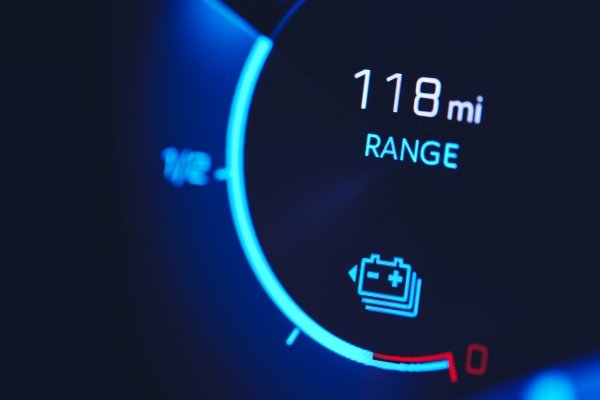
The driving range figure advertised by manufacturers is derived from the Worldwide Harmonised Light Vehicles Test Procedure (WLTP). While this standardised laboratory test is helpful for comparing different models, it rarely matches the range achieved in day-to-day driving conditions.
[WLTP Laboratory Baseline Range]
│
├─► Minus 15% to 20% (Winter ambient temps below 5°C)
├─► Minus 10% to 15% (Sustained 70 MPH highway cruising)
└─► Plus 5% to 10% (Urban stop-start regenerative braking)
The Impact of Ambient Temperature on Battery Chemistry
Lithium-ion batteries rely on the movement of lithium ions through a liquid electrolyte solution between the anode and cathode. When ambient temperatures drop below 5°C this electrolyte solution becomes more viscous, increasing internal resistance and slowing down the chemical reaction.
Additionally, running the vehicle's cabin heater requires significant energy. Unlike a petrol car, which utilises waste heat from the engine to warm the interior, an EV must use battery power to run an electric heater. Consequently, in the winter, a used EV will experience a temporary reduction in range of approximately 15% to 20%.

Speed, Drag, and Regenerative Braking Dynamics
Internal combustion vehicles are at their most efficient when cruising at steady motorway speeds. Electric vehicles operate inversely. At 70 MPH, an electric motor rotates at high RPMs, and aerodynamic drag increases exponentially, consuming substantial energy.
Conversely, in stop-start city traffic, EVs are remarkably efficient. Every time you lift off the accelerator pedal, the electric motor reverses direction, acting as a generator to slow the car down while converting that kinetic energy back into electricity to replenish the battery. This process, known as regenerative braking, allows an EV to frequently match or exceed its official WLTP range when driven in urban environments.
Choosing the Right Second-Hand EV
Selecting the right used EV requires aligning a vehicle's battery capacity and charging capabilities with your daily mileage patterns.
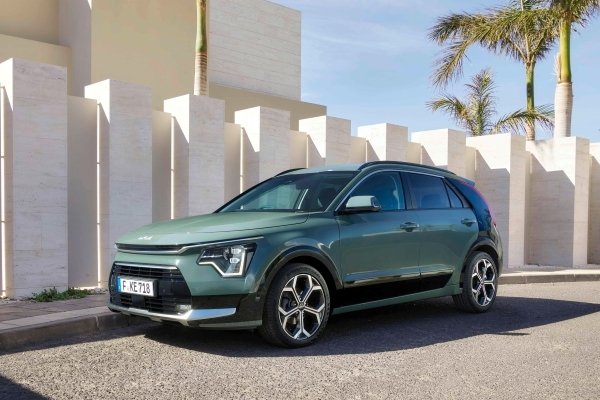
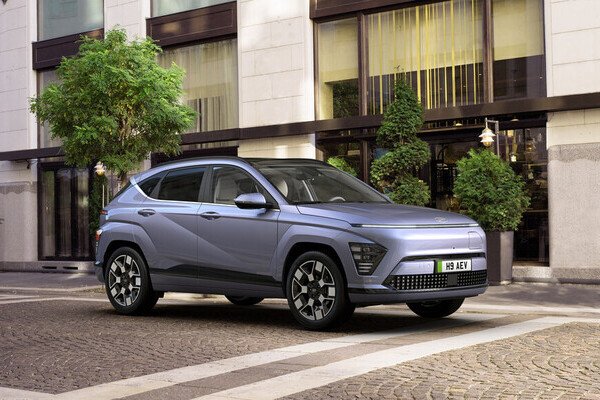
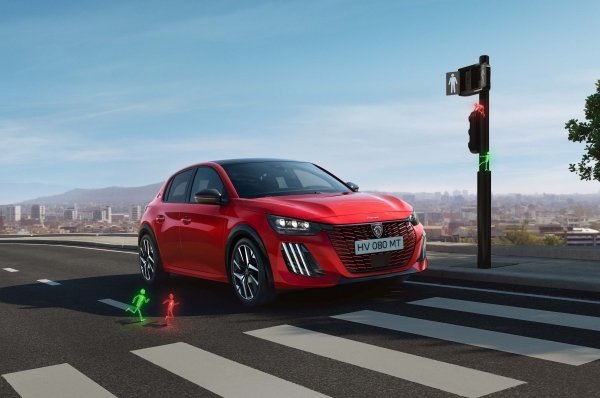
| Used EV Model | Battery Capacity | Real-World Summer Range | Real-World Winter Range | Best Used For |
| Vauxhall Corsa Electric | 50 kWh | 180 miles | 145 miles | Stylish urban commuting, daily errands, and nimble city driving. |
| Peugeot e-208 | 50 kWh | 185 miles | 150 miles | Eco-conscious commuting mixed with a highly premium interior feel. |
| Kia e-Niro (64kWh) | 64 kWh | 255 miles | 210 miles | Primary family vehicle, capable of long-distance motorway travel. |
| Hyundai Kona Electric | 64 kWh | 250 miles | 205 miles | Long-distance driving, featuring an efficient, high-spec powertrain. |
The Core Importance of Maximum DC Charging Speeds
When evaluating a vehicle for long-distance driving, look past the battery size and check its maximum DC rapid charging rate. For example, a used Renault Zoe can feature a large 52kWh battery but lack DC rapid charging capabilities, limiting it to a maximum AC input of 22kW. This means public highway replenishment takes over two hours.
In contrast, a Kia e-Niro or Hyundai Kona 64kWh model can accept DC rapid charging inputs up to 77kW, allowing you to charge from 10% to 80% in roughly 45 minutes. To explore pre-owned vehicles equipped with rapid charging capabilities and fully verified battery health metrics, browse our tailored online stock via our used electric cars section.
Deciphering the Battery Warranty Safety Net
One of the most reassuring aspects of purchasing a second-hand electric vehicle is the structure of the original manufacturer warranty coverage.
The Independent Dual-Warranty Framework
Every new electric vehicle leaves the factory with two separate, distinct warranty contracts:
The Comprehensive Vehicle Warranty: This covers standard mechanical and electrical items like suspension, infotainment systems, electric window motors, and steering components. It typically spans 3 years or 60,000 miles (7 years or 100,000 miles in the case of Kia).
The Standalone EV Battery Warranty: This factory safety net protects the main high-voltage traction battery pack against manufacturing defects and excessive capacity loss. The industry standard duration for this warranty is 8 years or 100,000 miles (whichever threshold is crossed first).
Capacity Guarantees and Automatic Title Transfer
The battery warranty explicitly guarantees that the pack will retain a specific minimum capacity level over the course of the contract duration – typically 70% of its original factory health. If the SoH drops below this threshold (e.g., down to 68%), the manufacturer is legally obligated to repair or replace the battery modules free of charge to restore the battery pack to an acceptable operational standard.
This warranty is completely tied to the vehicle's unique chassis number (VIN), meaning it automatically transfers to any subsequent private owners or dealerships without any transfer fees or administrative friction.
Frequently Asked Questions (FAQs)
How fast do used EV batteries degrade?
Does the manufacturer battery warranty transfer to the second owner?
How much does it cost to charge a used EV at home?
Can a used EV be charged using a standard 3-pin wall socket?
What happens if a used EV runs completely out of electricity?

Fill in your details below and a member of our team will be in touch

By providing your details you consent to us being able to contact you using the methods given above. Read more.
Fill in your details below and a member of our team will be in touch
By providing your details you consent to us being able to contact you using the methods given above. Read more.
Fill in your details below and a member of our team will be in touch
By providing your details you consent to us being able to contact you using the methods given above. Read more.
Please leave your details and we will call you back as soon as possible to confirm your appointment slot.
Let us know how you would like to receive your virtual appointment in the comments. Eg Zoom, Skype, Whatsapp.
By providing your details you consent to us being able to contact you using the methods given above. Read more.
Fill in your details below and a member of our team will be in touch
By providing your details you consent to us being able to contact you using the methods given above. Read more.