


How Do I Choose and Order a Brand New Car?
How to Order a Brand New Car
To order a brand-new car, buyers must choose between custom-configuring a factory order or selecting an immediate-delivery vehicle from physical dealership stock.
A factory order allows full customisation of paint colours, optional tech packs, upholstery, and engine variants, but carries a variable lead time from the manufacturer. Selecting an in-stock vehicle eliminates waiting times and often unlocks enhanced promotional incentives.
Buyers should evaluate standard specifications, select appropriate vehicle financing, and arrange a part-exchange to maximize their overall buying leverage.
Factory Orders vs. Dealership Stock Allocations
When buying a new car, you will face a primary strategic choice: ordering a vehicle built to order directly from the factory, or selecting an existing vehicle from physical pipeline stock.
New Vehicle Acquisition
Bespoke Factory Order
- Total spec personalisation
- Dynamic production lead time
- Custom component options
Immediate Dealer Stock Allocation
- Rapid 7-14 day delivery
- Fixed trim/colour specs
- Enhanced campaign offers
The Bespoke Factory Order Pathway
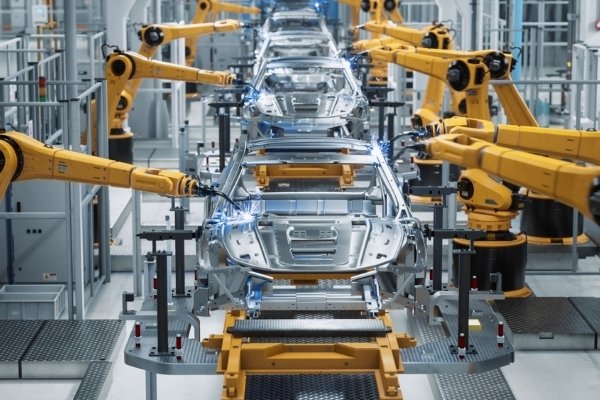
A factory order begins with a blank slate. You sit down with a brand specialist or use an online configuration tool to select your engine or electric powertrain, paint colour, interior upholstery fabric or leather, and option packages (such as panoramic glass roofs, upgraded audio systems, or advanced driver assistance systems).
Once finalised, the dealer submits this precise configuration into the manufacturer's central production system. The vehicle is then assigned a build slot at the factory. This path is ideal if you have highly specific preferences and are not in an immediate rush to take delivery, as the production and shipping pipeline can take anywhere from two to six months depending on component availability.
The Immediate Dealership Stock Route
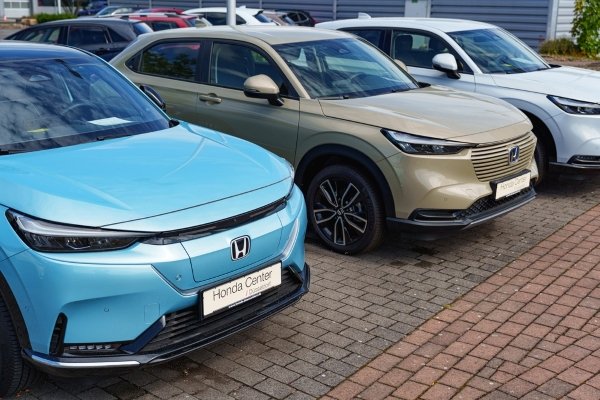
If your current vehicle has broken down, your lease is ending, or you simply prefer to avoid a long wait, selecting from immediate pipeline stock is the optimal choice. Dealership networks like Howards routinely pre-order popular model configurations in volume ahead of time.
These vehicles are either physically present on the showroom forecourt, currently in transit on a car transporter, or sitting at central port distribution depots. Choosing an in-stock vehicle means you can take delivery within 7 to 14 days. While you cannot alter the paint colour or add individual factory options, dealers choose configurations that bundle the most sought-after features, ensuring excellent future resale appeal.
Navigating Trim Levels and Option Packages
Modern manufacturers have transitioned away from offering hundreds of individual standalone options, moving instead toward a structured hierarchy of trim levels and optional equipment packs. This simplification streamlines factory production lines and helps maintain stronger residual values on the used market.
Deciphering the Hierarchy: Entry-Level to Top-Spec Variants
Every vehicle model begins with a base trim level. While modern base models are well-equipped – frequently featuring digital touchscreen infotainment systems, smartphone integration (Apple CarPlay and Android Auto), and lane-keep assist – they often miss out on premium comfort and cosmetic upgrades.
Moving up the trim hierarchy swaps smaller steel wheels for larger, more stylish alloy wheels, adds advanced LED headlights, replaces cloth trim with premium materials, and integrates convenience features like parking cameras and dual-zone climate control. Top-spec trims focus on premium touches, offering heated and ventilated seating, advanced heads-up displays, and sophisticated adaptive cruise control systems.

Assessing Option Packages and Avoiding Costly Mistakes
When configuring your car, look closely at optional equipment bundles, often labelled as "Technology Packs," "Winter Packs," or "Comfort Packs." Purchasing these options as bundled packages offers much better value than trying to source features individually.
However, be mindful of how individual options affect the future residual value of the car. Highly personalised additions, such as unconventional paint choices or bright interior accents, may not recoup their initial cost on the used market. Conversely, option packs that include highly desirable features like a winter package (heated seats and a heated steering wheel) are highly sought after by pre-owned buyers and help support a stronger trade-in value down the line.
Maximizing Leverage via Your Part-Exchange Vehicle
Your current vehicle is a powerful financial asset when purchasing a brand-new car. Utilising it effectively as a part-exchange can simplify your transaction and lower your overall monthly outlays.
How Dealership Part-Exchange Valuations Work
When you bring your current vehicle to a dealership for a part-exchange appraisal, a vehicle evaluator conducts a physical check alongside a digital valuation process. They assess the car's age, mileage, service history completeness, and exterior cosmetic condition. This evaluation is cross-referenced with live market data to determine the current trade value of the car.
The agreed-upon value is then deducted directly from the purchase price of your new car. If you are buying on finance, this value can serve as your initial deposit, directly lowering your monthly payments or shortening your finance term.

Settling Existing Finance Agreements Safely
A common misconception is that you cannot part-exchange a vehicle if it has outstanding finance remaining on its PCP or HP agreement. In reality, dealerships handle this process daily. The dealer will request an official finance settlement figure from your current lender.
If your vehicle's market value exceeds this settlement figure, you hold "positive equity," which is automatically applied as a deposit toward your new vehicle configuration. If the car's value is less than the settlement figure, you are in a "negative equity" position; this shortfall can either be paid upfront as a cash lump sum or rolled into the monthly finance payments of your new vehicle, subject to lender approval.
New Car Finance Architecture
Selecting the right finance package is just as critical as choosing the correct car configuration. The right choice ensures your monthly outlays fit comfortably within your ongoing budget.
Personal Contract Purchase (PCP) for New Vehicles
PCP is the most popular method for financing a brand-new car. By deferring a large portion of the vehicle's capital cost to the end of the agreement as an Optional Final Payment (balloon value), your regular monthly outlays are kept to a minimum.
This setup is ideal for drivers who prefer to refresh their vehicle every three to four years, as it allows you to step into a new model at the end of the contract without needing to sell the car yourself. You simply hand the car back, pay off the balloon to keep it, or trade it in to use any built-up equity toward a new order.
Hire Purchase (HP) for Long-Term Ownership
If your primary goal is complete vehicle ownership and you plan to keep the car for many years after the finance term ends, a Hire Purchase agreement is the more straightforward choice. Because you pay down the entire value of the vehicle over the term of the loan, there are no end-of-contract mileage checks or potential charges for cosmetic wear. Once your final monthly installment is cleared, the vehicle is entirely yours.
To explore current new vehicle allocations across our manufacturer partners (including Hyundai, Kia, Peugeot, Nissan, Vauxhall, and Suzuki) and find immediate-delivery stock, browse our new cars for sale showroom.
Frequently Asked Questions (FAQs)
Can I configure a new car online before visiting a dealership?
What is a part-exchange and how does it work with a new car order?
How long does a factory-ordered new car take to arrive?
What happens if my current car's value is less than its finance settlement figure?
Are new car warranties comprehensive across all brands?
Howards Garages (Weston) Ltd BS23 3YN is a credit broker, not a lender.
Finance is available subject to status, over 18s only. Ts & Cs apply. Personal Contract Purchase (PCP) agreement: At the end of the agreement, there are three options; 1) Pay the optional final payment to own the vehicle, 2) Return the vehicle, or 3) Part Exchange the vehicle where equity is available. You will only own the vehicle if you pay the optional final payment. Further charges may be made subject to the condition or mileage of the vehicle. We will usually receive a commission for your introduction. This will either be a fixed fee, or a fixed percentage of the amount you borrow. You will not pay it to us. The exact amount of commission will be confirmed before you sign your finance agreement.

Fill in your details below and a member of our team will be in touch

By providing your details you consent to us being able to contact you using the methods given above. Read more.
Fill in your details below and a member of our team will be in touch
By providing your details you consent to us being able to contact you using the methods given above. Read more.
Fill in your details below and a member of our team will be in touch
By providing your details you consent to us being able to contact you using the methods given above. Read more.
Please leave your details and we will call you back as soon as possible to confirm your appointment slot.
Let us know how you would like to receive your virtual appointment in the comments. Eg Zoom, Skype, Whatsapp.
By providing your details you consent to us being able to contact you using the methods given above. Read more.
Fill in your details below and a member of our team will be in touch
By providing your details you consent to us being able to contact you using the methods given above. Read more.